About IraBio Tech
Pioneering Innovation: As pioneers in Bio-CNG (CBG) technology, we provide sustainable solutions that transform agricultural residues, organic waste, and energy crops into high-value renewable energy. Our primary mission is to empower transport, industrial, and domestic users to transition seamlessly to clean energy alternatives.
Technical Excellence: Leveraging advanced anaerobic digestion, we produce high-quality Compressed Biogas optimized for transportation, thermal applications, and power generation.
Strategic Impact: We partner with organizations and communities to minimize their environmental footprint, streamline waste management, and achieve energy independence through a robust circular economy model.
End-to-End Support: From state-of-the-art plant construction to ongoing operational support, we offer a comprehensive, turnkey platform for sustainable energy production
About Bio-CNG

The Science of Biogas: Biogas is a high-energy renewable fuel generated through Anaerobic Digestion, a natural process where bacteria break down organic matter in an oxygen-free environment. Primarily composed of Methane (50-60%) and Carbon Dioxide, it serves as a clean alternative to fossil fuels.
Our Specialized Process: While our state-of-the-art plants are engineered to process any organic feedstock, we specialize in a co-digestion model. By blending Napier Grass and Animal Waste (Dung), we optimize gas yields based on seasonal availability.
The Four Stages of Digestion: Our systems manage the biological transition through four critical phases: Hydrolysis, Acidification, Acetogenesis, and Methanogenesis, ensuring maximum energy extraction.
Versatile Infrastructure: We deploy specialized digesters—including fixed-dome and balloon-type plants—customized to your site's specific waste profile (manure, crop residues, or food waste).
Beyond Energy: The process results in two powerful outputs: clean fuel for cooking, power, or vehicles, and a nutrient-rich bio-slurry that serves as a premium soil conditioner.
Bio-CNG (Compressed Bio-Gas) is a high-purity renewable fuel produced through the anaerobic digestion of organic feedstocks, specifically Napier Grass, agricultural residues, and organic waste. The raw biogas undergoes an advanced upgrading process to eliminate impurities such as hydrogen sulphide (H2S), carbon dioxide (CO2), and water vapor. By concentrating the methane (CH4) content to over 98%, the resulting fuel meets stringent standards for high-performance transportation and industrial applications. The final product is compressed for efficient storage and distribution, serving as a direct, green replacement for conventional CNG.
| Element | UOM | Bio-Gas | CNG |
|---|---|---|---|
| Methane | v/v | 55-65% | 92-98% |
| CO2 | v/v | 35-45% | 2-8% |
| H2S | ppm | 500-30,000 | < 20 |
| Moisture | °C due point | Saturated | < 40°C (5 mg/m3) |
| Other Impurities | Yes | None | |
| Caloric Value | LCV | 19,500 kj/kg | 52,000 kj/kg |
Steps involved in Bio-CNG:
Anaerobic Digestion (Biogas Production): Diverse feedstocks—such as Napier grass, agricultural residues, and organic waste—undergo controlled microbial breakdown in sealed, oxygen-free digesters. This biological process generates raw biogas, a potent mix of methane () and carbon dioxide ().
Biogas Upgrading (Purification): The raw gas is refined through advanced scrubbing technologies to eliminate impurities like hydrogen sulphide () and moisture. By stripping away , we concentrate the methane to a high-purity level (typically 98%+), meeting international standards for engine fuel.
High-Pressure Compression: Once purified, the biomethane is compressed to high pressures (typically 200-250 bar), matching the energy density of conventional CNG.
Strategic Storage & Distribution: The finished Bio-CNG is stored in specialized cascades and distributed via mobile cascades or retail filling stations, providing a seamless, carbon-neutral alternative for transport and industry.
About Bio-CNG Plant
Bio-CNG offers several benefits, including being a renewable and sustainable fuel source derived from waste materials and having a high calorific value similar to CNG. It can be used for transportation, power generation, and other applications.
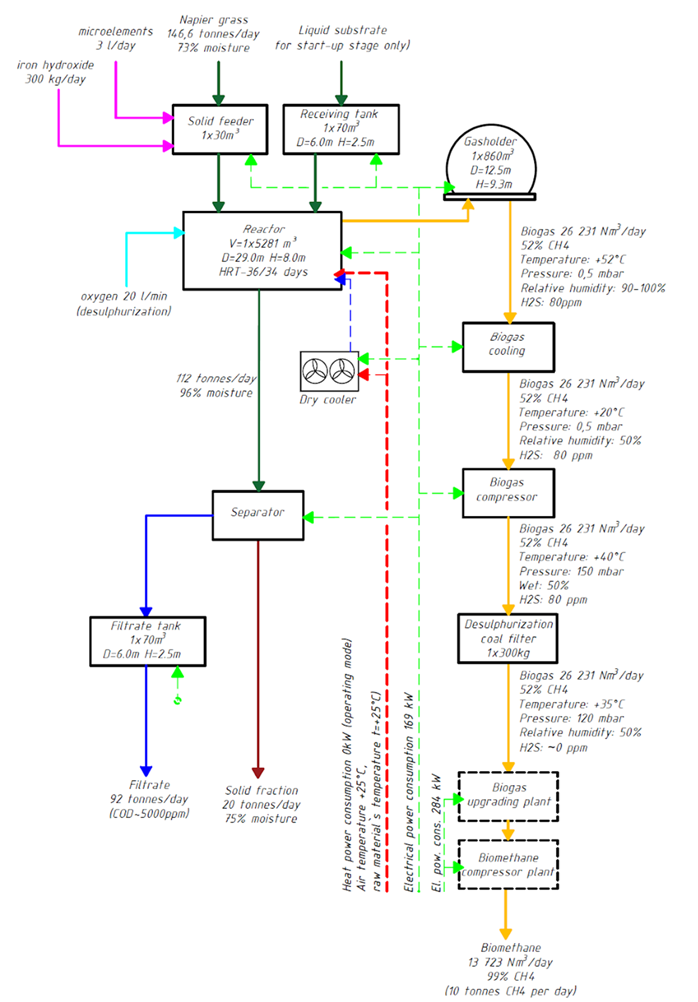
A biogas plant typically consists of a digester where organic matter is decomposed, a gas holder to store the produced biogas, and a system for gas piping & utilization.
Breakdown of the key components:
Pre-Digester: Feedstock is first fed to this chamber (based on the feedstock selection). The feedstock is prepared for the digestion.
Digester: This is the main vessel where anaerobic digestion takes place, breaking down organic materials in the absence of oxygen to produce biogas.
Gas Holder: This component stores the biogas produced in the digester, ensuring a steady supply for various applications.
Gas Piping System: A network of pipes and valves that transport the biogas from the gas holder to the point of utilization, such as a burner, engine, or generator.
Mixing Tank and Inlet Pipe: Used for efficient mixing of the organic matter and feeding it into the digester.
Expansion Chamber: This helps to manage pressure fluctuations in the system.
Regulation and Utilization Components: These components, such as pressure regulators, valves, and burners, ensure the safe and efficient use of the biogas.
Bio-slurry management: The digested slurry, which is a valuable fertilizer, needs to be managed effectively, including storage and application.
Purification System: The resulting Bio-Gas is purified using Purification System.
Methan Compressor: Compresses Natural Gas to Compressed Natual Gas (CNG).
Gas Storage Tank: CNG Cascades, which stores the gas in plant and can also be used transfering to transport vehicles.
Capacity of our plant:
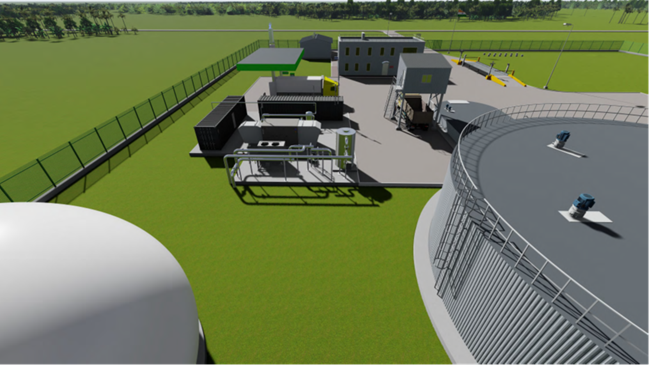
12 TPD (Designed for 12-15 TPD). Can use Any Bio-Source (Napier Grass, Agri Waste, Cow Dung, Food Waster, Press Mud, etc.)
Plant raw material inputs:
For producing a dialy 12 TPD (Tons per Day) of CNG, we need following raw material and inputs.
| Raw Material | UOM | Quantity | Source |
|---|---|---|---|
| Water | MT/Day | 40-50 (41 Meter3) | Captive Solar Plant |
| Power | Units (Kwh)/Day | 14,000-16,000 | Harvesting rain water and water stream In house ponds of 8 acers |
| Land - Plant | Acers | 25 acers | Owned by the Plant |
| Land - Farm | Acers | 475 acers | Lease/Contract Farming |
| Napier Grass | MT | 255 MT per day | Contract Farming |
| Cow dung | MT | 0.4 MT/As needed | Sourced from Vendor |
| Others | As needed | Activated Carbon, Ferric Hydroxide, Vegetable Oil, Micro Elements |
Sourced from Vendor |
About Organic Manure
Feedstock used in generation of Bio-CNG, also generates Organic manure that enables rich carbon source to gardens and farms. Organic manure produced is catagories under two forms FOM (Fermented Organic Manure), LFOM (Liquid Fermented Organic Manure), which is further enriched with various nutriants which helps farmers practice Organic farming with effordable cost.
Key characteristics of FOM/LFOM:
Nutrient-rich: It is packed with essential macronutrients (nitrogen, phosphorus, potassium) and secondary/micronutrients that nourish plants.
Organic composition: It is made from natural materials like agri-waste and other organic materials, making it a chemical-free alternative to synthetic fertilizers.
Soil improvement: FOM enhances soil fertility, texture, and microbial activity, leading to better overall soil health.
Moisture retention: It increases the soil's ability to hold moisture, which is beneficial for plants, especially during dry periods.
Sustainable: By using organic waste, it contributes to a circular economy and reduces the need for chemical inputs in agriculture
Fast nutrient delivery: As a liquid, it is quickly absorbed by plants, providing an immediate supply of nutrients.
Enriches soil: LFOM adds organic matter and beneficial microorganisms to the soil, improving its structure, fertility, and water retention.
Boosts plant health: The beneficial microbes in LFOM strengthen plant resistance to pests, diseases, and environmental stresses.
Eco-friendly and sustainable: It is made from waste materials, which helps reduce waste and supports sustainable agriculture.
Cost-effective: It can reduce the need for expensive chemical fertilizers, lowering costs for farmers and gardeners.
Specification of FOM
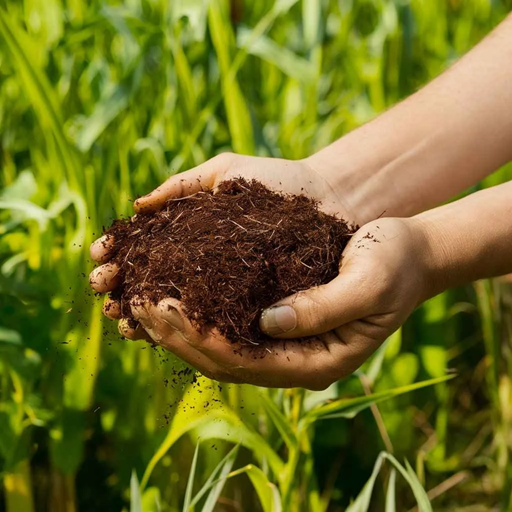
FOM (Fermented Organic Manure), is an eco-friendly and nutrient-rich fertilizer produced from organic waste that has undergone a fermentation process.
It improves soil structure, increases water retention, and provides essential nutrients like nitrogen, phosphorus and potassium for plant growth.
| Criteria | Specification |
|---|---|
| Moisture % by weight (max.) | 30-40% |
| NPK Nutrients Total N, P2O5 and K2O nutrient2 |
> 1.2% |
| Total organic carbon (min.) | 14% |
| C:N Ratio | < 20% |
| pH | 6.5-8.0 |
| Pathogens | Nil |
| Conductivity (as dSm-1) | < 4 |
| Heavy Metal Content (ma/kg) (max.) | |
| Arsenic (As2O3) | 10 |
| Cadmium (Cd) | 5 |
| Chromium (Cr) | 50 |
| Copper (Cu) | 300 |
| Zinc (Zn) | 1000 |
| Mercury (Hg) | 0.15 |
| Nickel (Ni) | 50 |
| Lead (Pb) | 100 |
Specification of LFOM
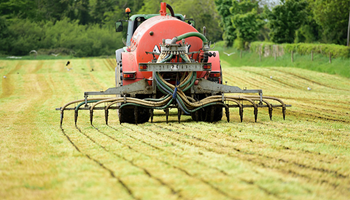
LFOM stands for Liquid Fermented Organic Manure, a liquid fertilizer produced by fermenting organic waste like crop residues, animal manure, and food scraps.
This nutrient-rich product is easily absorbed by plants, making it a fast-acting and eco-friendly alternative to chemical fertilizers.
It contains essential nutrients ((N), (P), (K)) and beneficial microorganisms that improve soil fertility, boost plant resistance, and enhance growth.
| Criteria | Specification |
|---|---|
| Moisture % by weight (max.) | 90-97% |
| NPK Nutrients Total N, P2O5 and K2O nutrient2 |
> 1.2% |
| Total organic carbon (min.) | 14% |
| C:N Ratio | < 20% |
| pH | 6.5-8.0 |
| Foul Order | Absence |
| Conductivity (as dSm-1) | < 20 |
| Heavy Metal Content (ma/kg) (max.) | |
| Arsenic (As2O3) | 10 |
| Cadmium (Cd) | 5 |
| Chromium (Cr) | 50 |
| Copper (Cu) | 300 |
| Zinc (Zn) | 1000 |
| Mercury (Hg) | 0.15 |
| Nickel (Ni) | 50 |
| Lead (Pb) | 50 |
About Feedstock
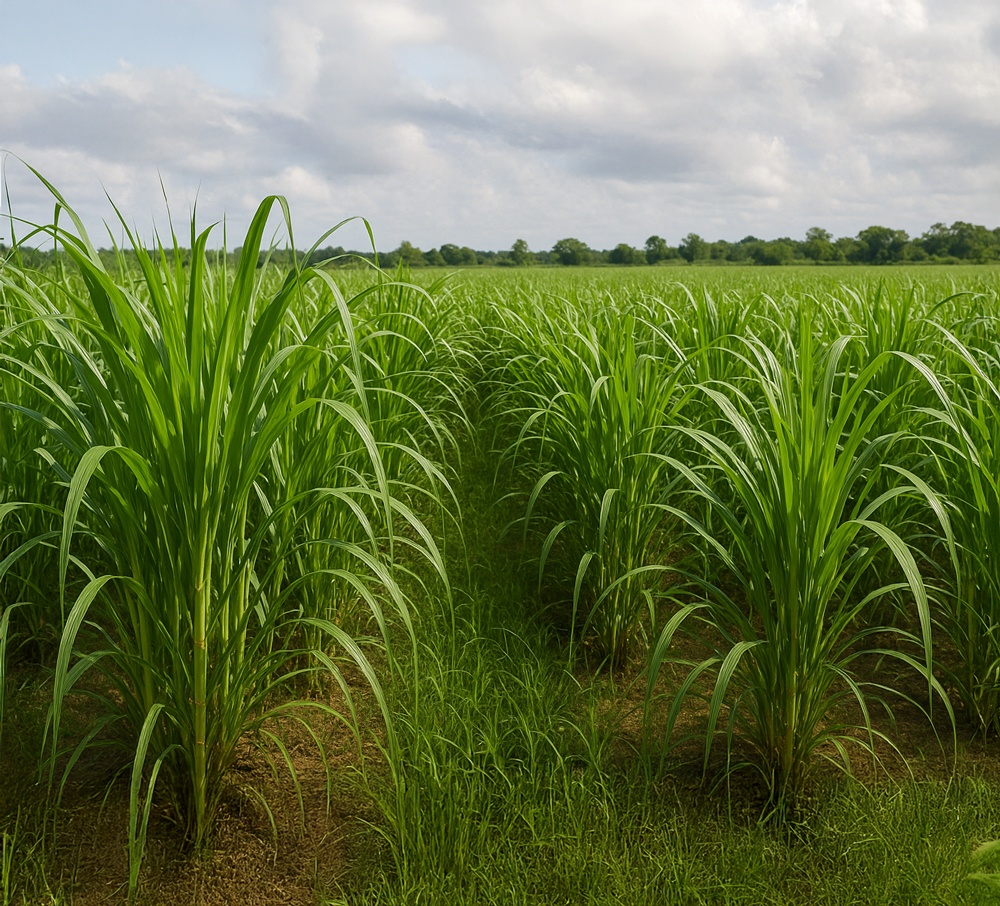
Feedstock is the key 'raw material' using which the bio-CNG is generated. Feedstock selection is based on the availablity, cost of the feedstock and also depends on the government regulations.
Depending on the feed stock, the effective output volume will change. Feedstock selection is dependent on various factors and situations.
For Our CBG Plants, which we build and operate for our filling stations, we have selected agri waste and Napier grass as feed stock which is considered to be the best feed stock.
Other advantages of Napier grass is it can be cultivated across most of the Indian soils around the year.
Cost of the source is most affordable than any other feed stock.
Sorting and Cleaning before feeding to the digester is simple.
We are sourcing though contract farming with the nearby fields.
A 45 days inventory will be maintained by us during the production process.
For Kitchen Plants we supply for Micro/Mini/Small users, they can use any of the organic waste that is produced within the end-user premisis.
a. Kitchen Waste (Like pealed skins, soft shells and other green waste, cooked food waste)
b. Garden Recedes (Like plants/bushes being removed, fallen leaves, weeds and other garden residues)
c. Others Bio-degradable waste
For Custom Plants we build and operate for industrial consumer any organic waste which is accessable to customer.
A variety of feedstocks can be selected by them and even a combination is likely. Feedstock includes agriculture resedues, Press Mud (Sugar plants resedues), Spent Wash (Industrial waste), Muncipal/Urban Solid Waste, Cattel Dung, Chicken Litter, Forest Residue, Napier Grass or other Energy Crops and other Sewerage Waste.
CNG gas and Organic Manure production quanties changes. For indication below table describes the requried quanity of feestock requried and organic manure produced for 12 TPD (Tons Per Day) output Bio-CNG plant.
| Feed stock | Feed stock Required (UOM: TPD) |
Manure Production (UOM: TPD) |
|---|---|---|
| Agriculture Residue | 120 - 150 | 36 |
| Press Mud | 300 - 360 | 20 |
| Spent Wash | 150 - 160 | 10 |
| Municipal/Urban Solid Waste | 240 - 280 | 20 |
| Cattel Dung | 600 - 650 | 20 |
| Chicken Litter | 300 - 325 | 40 |
| Forest Residue | 180 - 225 | 40 |
| Napier Grass | 120 - 150 | 36 |
| Sewerage Waste | 290 -225 | 20 |
Note: Above values are only for indication, the actuals change as per the field conditions, quality of the feedstock and various other factors involved in the process.
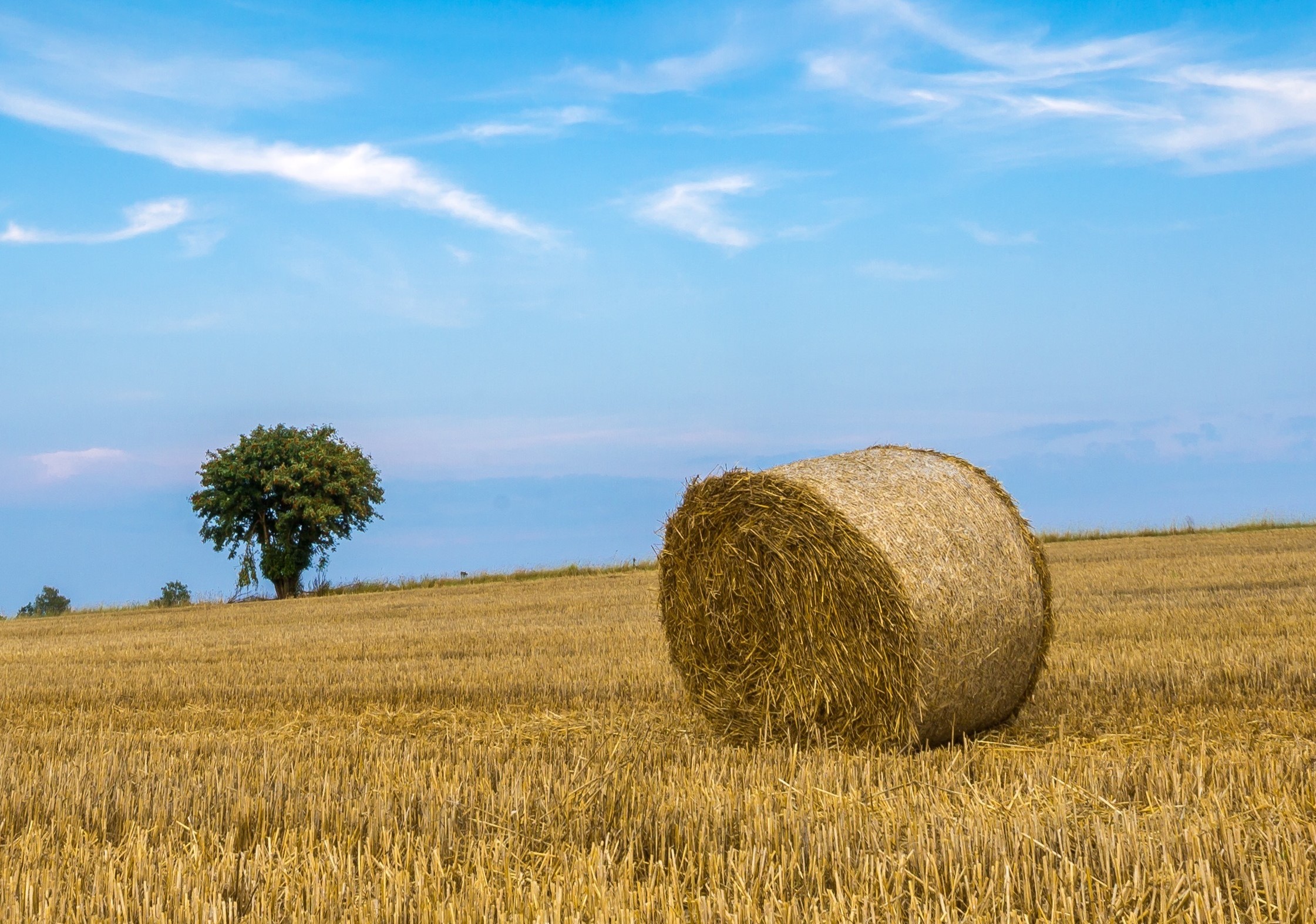
Benefits of processing biodegradable waste (Feedstock)
Reduces landfill waste: Diverts organic material from landfills, where it can produce methane, a potent greenhouse gas.
Creates valuable resources: Produces compost, fertilizer, and biogas, which can be used for energy production or soil enrichment.
Reduces pollution: Lessens the environmental impact associated with landfills and the production of synthetic fertilizers.
About Napier Grass
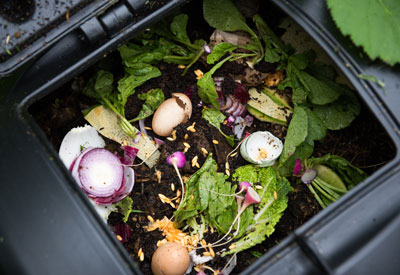
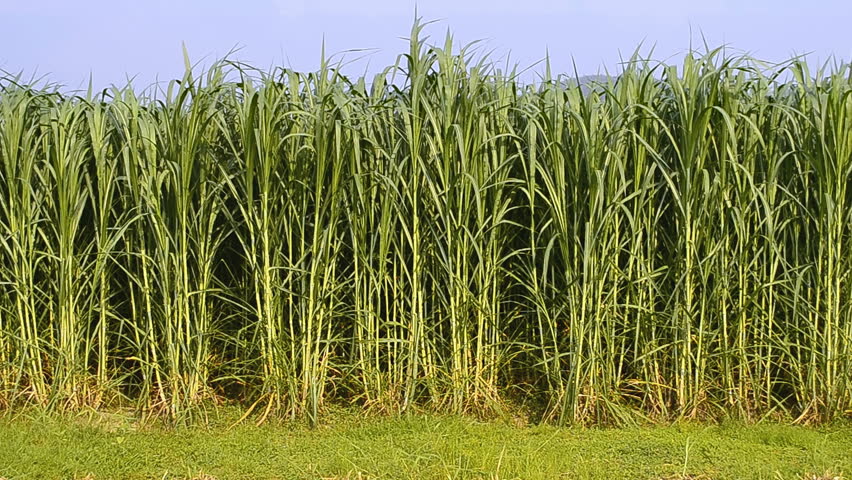
Napier grass is a tall, robust, perennial grass, also called elephant grass, that is widely used as a high-yielding forage crop in tropical and subtropical regions.
Known scientifically as Cenchrus purpureum or Pennisetum purpureum, it is often used to feed livestock like cattle and buffaloes, but can also be used for bioenergy or as a substrate for other uses.
Its value as a feed depends on proper harvesting, as it is important to manage its growth stage to balance yield and nutritional/fiber/protin quality.
Characteristics and uses
Appearance: It grows tall, with stems and wide leaves that can resemble sugarcane, forming clumps.
Growth: It is a C4 grass that grows vigorously and is well-suited for a wide range of conditions, from arid to wet environments.
Primary Use: Its main purpose is as a forage crop for livestock, particularly for dairy and beef cattle.
Other Uses: It is also used for silage, hay, and can be used for bioenergy production. It can also be used in vermiculture to create high-nitrogen compost.
Management and harvesting
Land Preparation: Select fertile soil (pH between 6.0 to 7.0) and plough for 2-3 times. Apply manure (LFOM form CNG Plants is good source) and fertilizers with proper nutriants.
Planting: Farm is primarily propagated through stem cuttings with space between the plants @60x50 cm.
Water Management: Irrigation is requried from 3rd day at an interval of every 10 days. Ensure that there is not water logging with proper drinage.
Weed Management: During initial stages, proper manual weed managemnet is requried.
Harvesting: First harvesting can be done between 15-18 days followed by every 120-130 days. Grass can be cut at ground level yielding 150 MT/acer/year. Each harvesting will result 50 MT of grass.
For fodder, it is typically cut every one to three months when it is younger and has higher protein content.
For bioenergy, longer intervals are used to increase biomass yield.